Comparison · Handheld gaming · Desk research
ASUS ROG Ally X (2024) vs Nintendo Switch 2
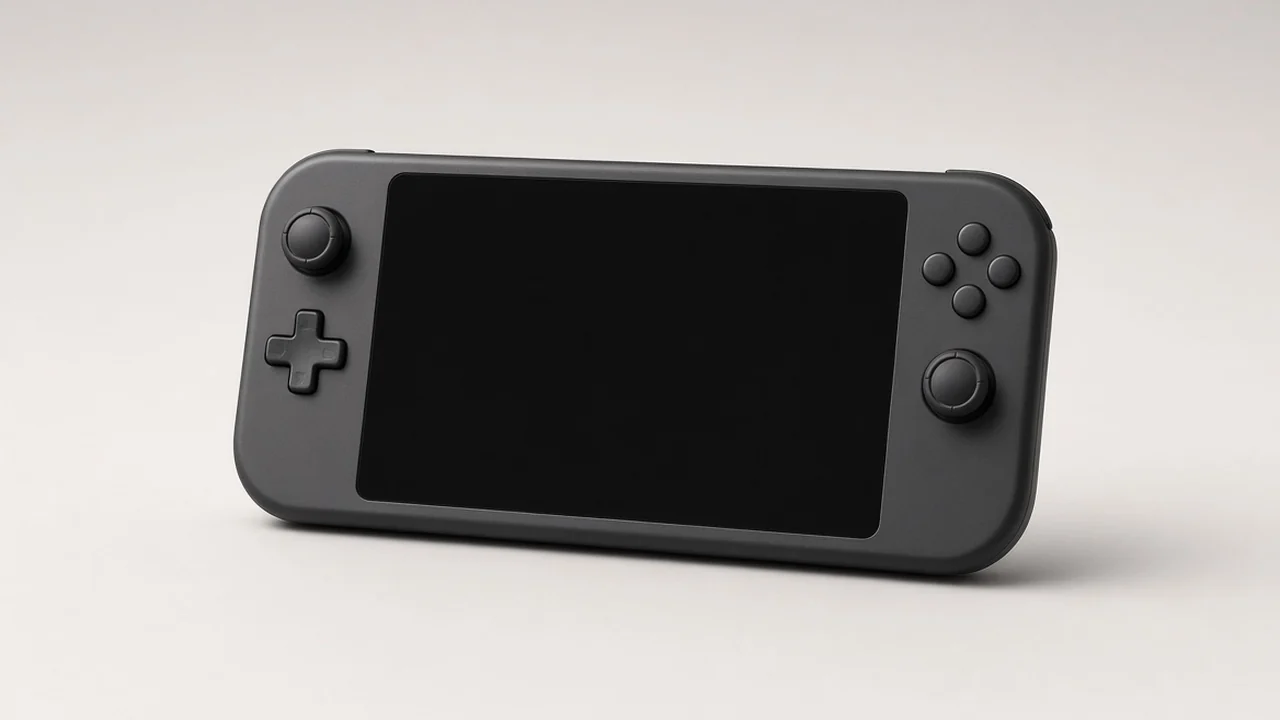
Specs come from the officialASUS ROG Ally X (2024) and Nintendo Switch 2 pages. Manufacturer claims only — not a lab test.
Quick Answer
This is an OEM desk comparison of ASUS ROG Ally X (2024) and Nintendo Switch 2, not a winner page. ASUS ROG Ally X (2024) official SoC: AMD Ryzen Z1 Extreme; Zen 4, 4nm, 8 cores / 16 threads, 24M…. Nintendo Switch 2 official SoC: Custom processor made by NVIDIA. Quoted prices stay on each hub. Unpublished cells stay Not published.
Official sheets, re-checked
Ally X is a Windows 11 Home handheld on the Z1 Extreme / 9–30W / 80Wh / 1080p 120Hz sheet at $799.99. Switch 2 is Nintendo’s current 7.9-inch 1080p HDR10/VRR slab with a custom NVIDIA SoC, 256GB UFS, 5220mAh / 2–6.5 hours, Joy-Con 2, and $449.99. Those are different storefronts (Windows stores vs Nintendo eShop). Do not paste Ally TFLOPS onto Switch 2, and do not invent Nintendo RAM.
Re-checked 2026-09-19: ASUS Ally X spec + Nintendo Switch 2 tech specs. No OEM winner.
Quote the two official sheets. Do not invent a lab winner.
The verdict
ASUS ROG Ally X (2024) or Nintendo Switch 2 — quote the two manufacturer sheets.
Why: Both columns are manufacturer desk research. A winner would be an editorial invention.
Buy ASUS ROG Ally X (2024) if
Windows handheld buyers who liked Ally’s 1080p 120Hz panel but wanted a larger battery and more RAM than the 40Wh / 16GB 2023 sheet.
Buy Nintendo Switch 2 if
Players who want Nintendo’s current hardware: 7.9-inch 1080p HDR10/VRR panel, 256GB, Joy-Con 2, GameChat microphone.
Headline OEM cells
| Attribute | ASUS ROG Ally X (2024) | Nintendo Switch 2 |
|---|---|---|
| SoC / APU | AMD Ryzen Z1 Extreme; Zen 4, 4nm, 8 cores / 16 threads, 24MB cache, up to 5.10GHz boost | Custom processor made by NVIDIA |
| GPU | AMD Radeon Graphics, RDNA 3, 12 CUs, up to 2.7GHz, up to 8.6 TFLOPS | Included in Nintendo’s combined CPU/GPU cell: custom NVIDIA processor |
| RAM | 24GB on board (spec sheet: 12GB×2 LPDDR5, dual channel) | Not published |
| Storage | 1TB or 2TB PCIe 4.0 NVMe M.2 SSD (2280) | 256GB UFS (portion reserved). Game-card slot accepts Switch 2 and Switch game cards. |
| Display size | 7-inch | 7.9-inch |
| Display resolution | 1920 × 1080 (16:9 FHD) | 1920 × 1080 handheld / tabletop. TV mode up to 3840×2160. |
| Battery capacity | 80Wh, 4S1P, 4-cell Li-ion | 5220mAh lithium-ion (console). Joy-Con 2: 500mAh each. |
| Battery life (OEM) | Hours-of-gameplay not published on the ROG spec sheet (accessed 2026-09-19) | Approximately 2–6.5 hours (rough estimates; depends on the game). Joy-Con 2: about 20 hours. |
| Operating system | Windows 11 Home | Nintendo Switch 2 system software (GameChat and related features are Nintendo’s software names) |
| Weight | 678 g (1.49 lb) | Approximately 0.88 lb console; 1.18 lb with Joy-Con 2. Dock about 0.84 lb. Joy-Con 2 [L] 2.3 oz; [R] 2.4 oz. |
| US MSRP (launch) | $799.99 US MSRP / ASUS Store | $449.99 US system; $499.99 Switch 2 + Mario Kart World bundle |
Full handhelds-v1 table
Same keys as the named-model pages. A matching string is not a lab confirmation. “Not published” on one side is not filled from the other hub.
| Attribute | ASUS ROG Ally X (2024) | Nintendo Switch 2 |
|---|---|---|
| SoC / APU | AMD Ryzen Z1 Extreme; Zen 4, 4nm, 8 cores / 16 threads, 24MB cache, up to 5.10GHz boost | Custom processor made by NVIDIA |
| GPU | AMD Radeon Graphics, RDNA 3, 12 CUs, up to 2.7GHz, up to 8.6 TFLOPS | Included in Nintendo’s combined CPU/GPU cell: custom NVIDIA processor |
| TDP / APU power (OEM) | 9–30W | Not published |
| RAM | 24GB on board (spec sheet: 12GB×2 LPDDR5, dual channel) | Not published |
| Storage | 1TB or 2TB PCIe 4.0 NVMe M.2 SSD (2280) | 256GB UFS (portion reserved). Game-card slot accepts Switch 2 and Switch game cards. |
| Expandable storage | UHS-II microSD (SD / SDHC / SDXC) | microSD Express only, up to 2TB. Non-Express microSD: screenshot/video copy from Switch only, per Nintendo. |
| Display size | 7-inch | 7.9-inch |
| Display type | IPS-level, anti-glare / low-reflection (AGLR); Gorilla Glass Victus; 10-point touch | Wide color gamut LCD, capacitive touch |
| Display resolution | 1920 × 1080 (16:9 FHD) | 1920 × 1080 handheld / tabletop. TV mode up to 3840×2160. |
| Refresh rate | 120Hz; 7ms response; AMD FreeSync Premium (VRR) | VRR up to 120Hz on the handheld sheet; TV mode also lists 120fps at 1080p/1440p |
| Peak brightness (OEM) | 500 nits | Not published |
| HDR / color (OEM) | 100% sRGB; 75.35% Adobe RGB listed on the spec block | HDR10 support (handheld sheet and TV output). Wide color gamut LCD. |
| Controls | ABXY; D-pad; two full-size analog sticks; Hall-effect analog triggers; bumpers; View; Menu; Command Center and Armoury Crate buttons | Joy-Con 2 [L]/[R]: sticks, ABXY, d-pad (Left), L/ZL/R/ZR, SL/SR, −/+, Capture, HOME, C Button, release/sync. Console: POWER and Volume. |
| Trackpads | None | None (mouse sensor is a Joy-Con 2 extra, not a Deck-style pad) |
| Gyro / motion | 6-axis IMU | Accelerometer, gyroscope, and mouse sensor in each Joy-Con 2; brightness sensor in the console |
| Haptics | HD haptics | HD Rumble 2 |
| Rear / grip buttons | Two assignable grip buttons | ZL / ZR on Joy-Con 2 (not Deck-style rear grips) |
| Battery capacity | 80Wh, 4S1P, 4-cell Li-ion | 5220mAh lithium-ion (console). Joy-Con 2: 500mAh each. |
| Battery life (OEM) | Hours-of-gameplay not published on the ROG spec sheet (accessed 2026-09-19) | Approximately 2–6.5 hours (rough estimates; depends on the game). Joy-Con 2: about 20 hours. |
| Charging (OEM) | USB-C 65W adapter (20V / 3.25A). Inclusion varies by region. USB4 port lists Power Delivery 3.0. | Approximately 3 hours in Sleep. Joy-Con 2: about 3 hours 30 minutes on the system or charging grip. Two USB-C ports can charge. |
| Operating system | Windows 11 Home | Nintendo Switch 2 system software (GameChat and related features are Nintendo’s software names) |
| Store / ecosystem | Windows 11 storefronts. Spec sheet also lists a 3-month Xbox Game Pass for PC offer (terms / market limits). | Nintendo eShop; Switch 2 and Switch game cards. Not Steam / Windows storefronts. |
| Weight | 678 g (1.49 lb) | Approximately 0.88 lb console; 1.18 lb with Joy-Con 2. Dock about 0.84 lb. Joy-Con 2 [L] 2.3 oz; [R] 2.4 oz. |
| Dimensions | 280 × 111 × 24.7–36.9 mm (11.02 × 4.37 × 0.97–1.45 in) | About 4.5 × 10.7 × 0.55 in with Joy-Con 2 (1.2 in at stick-to-ZL/ZR) |
| Chassis / form | Integrated handheld with redesigned grips vs 2023 Ally (ASUS copy); not detachable controllers | Tablet console + magnetic Joy-Con 2 + Switch 2 dock + optional strap / grip accessories |
| Finishes | Black RC72LA retail finish as sold. Confirm the live SKU for later colorways. | Launch console / Joy-Con 2 colorways as sold on nintendo.com. Confirm the live SKU. |
| Cooling | Updated chassis / cooling called out on the product page; no separate named thermal SKU on the spec sheet | Not published |
| Ports | 3.5mm combo jack; USB 3.2 Gen2 Type-C (DisplayPort / PD); USB4 Type-C (Thunderbolt 4 compliance, DP 1.4 with FreeSync, PD 3.0); UHS-II microSD | Two USB-C (bottom: charge + dock; top: accessories and/or charge); 3.5mm CTIA jack; game-card slot; microSD Express. Dock: HDMI, AC, LAN, two USB 2.0. |
| Wireless (Wi-Fi / Bluetooth) | Wi-Fi 6E (802.11ax) tri-band 2×2 + Bluetooth 5.4 (BT version may change with OS) | Wi-Fi 6; Bluetooth. TV mode can use the dock LAN port. Joy-Con 2: Bluetooth; [R] also NFC. |
| Speakers / audio | 2-speaker Smart Amplifier; array mic; AI noise canceling; Dolby Atmos; Hi-Res headphone certification | Stereo speakers (independent enclosure). Built-in monaural mic with noise/echo cancel and auto gain. HDMI linear PCM 5.1. Surround effect to headphones or (after a system update) the built-in speaker. |
| Dock / TV output | DisplayPort on both USB-C ports (USB 3.2 Gen2 DP/PD; USB4 DP 1.4 with FreeSync) | HDMI: up to 4K60; 120fps at 1920×1080 or 2560×1440; HDR10; VRR up to 120Hz. Handheld/tabletop max 1920×1080 matching the screen. |
| US MSRP (launch) | $799.99 US MSRP / ASUS Store | $449.99 US system; $499.99 Switch 2 + Mario Kart World bundle |
| Price band | Flagship Windows handheld (~$800 US launch) | Current console handheld ($450–$500 US launch) |
| Announced | 2 June 2024 | US price and June 5 launch confirmed in Nintendo’s 2025 launch notes (direct $449.99 post) |
| Availability | RC72LA 1TB and 2TB SKUs on the US spec sheet (accessed 2026-09-19) | US launch 5 June 2025; current Nintendo flagship (accessed 2026-09-19) |
What the ASUS ROG Ally X (2024) hub emphasizes
- 80Wh 4-cell pack — double the capacity row versus original Ally’s 40Wh.
- 24GB on-board memory (12GB×2 LPDDR5, dual channel on the spec sheet; product page also says LPDDR5X).
- M.2 2280 1TB / 2TB + UHS-II microSD.
- Same Z1 Extreme / 12 CU / 7-inch 1080p 120Hz / 500-nit / FreeSync Premium display class as 2023 Ally, in a thicker 678g chassis.
What the Nintendo Switch 2 hub emphasizes
- 7.9-inch 1920×1080 LCD, HDR10, VRR up to 120Hz — Nintendo’s current handheld panel row.
- 256GB UFS (Nintendo: 8× original Switch storage) plus microSD Express up to 2TB.
- Joy-Con 2: magnetic attach, mouse sensor each side, HD Rumble 2, C Button, NFC on the right.
- Dock path: up to 3840×2160 at 60fps; 120fps at 1080p/1440p; HDR10; VRR up to 120Hz.
ASUS ROG Ally X (2024) caveats
- ASUS still does not publish a gameplay-hour range on the Ally X spec sheet. Do not invent one from the 80Wh capacity.
- Memory wording disagrees slightly: spec sheet says 12GB×2 LPDDR5; product page markets 24GB LPDDR5X. Quote both; do not pick a third type.
- $799.99 is the official US MSRP / ASUS Store figure. Street prices go stale.
Nintendo Switch 2 caveats
- Battery claim is shorter than OLED Switch’s 4.5–9 hour table: Nintendo publishes 2–6.5 hours for Switch 2. Do not invent a longer range.
- Custom NVIDIA processor — no clocks, no RAM. Keep those keys visible as Not published.
- $449.99 / $499.99 are Nintendo’s US launch MSRPs (maintained through the April 2025 preorder note). Re-check nintendo.com.
Where the official strings differ
- SoC / APU. ASUS ROG Ally X (2024): AMD Ryzen Z1 Extreme; Zen 4, 4nm, 8 cores / 16 threads, 24MB cache, up to 5.10GHz boost — Nintendo Switch 2: Custom processor made by NVIDIA
- GPU. ASUS ROG Ally X (2024): AMD Radeon Graphics, RDNA 3, 12 CUs, up to 2.7GHz, up to 8.6 TFLOPS — Nintendo Switch 2: Included in Nintendo’s combined CPU/GPU cell: custom NVIDIA processor
- TDP / APU power (OEM). ASUS ROG Ally X (2024): 9–30W — Nintendo Switch 2: Not published
- RAM. ASUS ROG Ally X (2024): 24GB on board (spec sheet: 12GB×2 LPDDR5, dual channel) — Nintendo Switch 2: Not published
- Storage. ASUS ROG Ally X (2024): 1TB or 2TB PCIe 4.0 NVMe M.2 SSD (2280) — Nintendo Switch 2: 256GB UFS (portion reserved). Game-card slot accepts Switch 2 and Switch game cards.
- Expandable storage. ASUS ROG Ally X (2024): UHS-II microSD (SD / SDHC / SDXC) — Nintendo Switch 2: microSD Express only, up to 2TB. Non-Express microSD: screenshot/video copy from Switch only, per Nintendo.
- Display size. ASUS ROG Ally X (2024): 7-inch — Nintendo Switch 2: 7.9-inch
- Display type. ASUS ROG Ally X (2024): IPS-level, anti-glare / low-reflection (AGLR); Gorilla Glass Victus; 10-point touch — Nintendo Switch 2: Wide color gamut LCD, capacitive touch
- Display resolution. ASUS ROG Ally X (2024): 1920 × 1080 (16:9 FHD) — Nintendo Switch 2: 1920 × 1080 handheld / tabletop. TV mode up to 3840×2160.
- Refresh rate. ASUS ROG Ally X (2024): 120Hz; 7ms response; AMD FreeSync Premium (VRR) — Nintendo Switch 2: VRR up to 120Hz on the handheld sheet; TV mode also lists 120fps at 1080p/1440p
- Peak brightness (OEM). ASUS ROG Ally X (2024): 500 nits — Nintendo Switch 2: Not published
- HDR / color (OEM). ASUS ROG Ally X (2024): 100% sRGB; 75.35% Adobe RGB listed on the spec block — Nintendo Switch 2: HDR10 support (handheld sheet and TV output). Wide color gamut LCD.
SKU extras beyond handhelds-v1
Extra rows stay on the hub that printed them. A blank on one side is not filled from the other sheet.
| Attribute | ASUS ROG Ally X (2024) | Nintendo Switch 2 |
|---|---|---|
| USB4 / Thunderbolt 4 | One Type-C listed as USB4 with Thunderbolt 4 compliance, DisplayPort 1.4 + FreeSync, PD 3.0 | Not on this hub’s extras table |
| XG Mobile port | Not listed on the Ally X spec sheet (original Ally’s combo port does not carry over as written) | Not on this hub’s extras table |
| Armoury Crate | Armoury Crate and Command Center buttons; product page cites Armoury Crate SE 1.5 | Not on this hub’s extras table |
| Fingerprint / Pluton | Built-in fingerprint sensor; Microsoft Pluton | Not on this hub’s extras table |
| Xbox Game Pass offer | Spec sheet: 3 months Xbox Game Pass for PC; terms, catalog, and markets limited | Not on this hub’s extras table |
| SSD form factor | M.2 2280 (product page: user-upgradeable 2280) | Not on this hub’s extras table |
| Operating modes (product page) | Silent 10W; Performance 15W; Turbo 25W (30W on AC) — ASUS product-page copy inside the 9–30W spec TDP | Not on this hub’s extras table |
| Joy-Con 2 mouse | Not on this hub’s extras table | Mouse sensor in each Joy-Con 2; Nintendo launch copy: use as a mouse in compatible games |
| C Button | Not on this hub’s extras table | C Button on Joy-Con 2 [R] (GameChat entry on Nintendo’s launch copy) |
| Built-in microphone | Not on this hub’s extras table | Monaural mic with noise cancellation, echo cancellation, auto gain |
| Magnetic Joy-Con 2 | Not on this hub’s extras table | Launch note: Joy-Con 2 snap on with magnetic connectors |
| HD Rumble 2 | Not on this hub’s extras table | Named separately from last-gen HD Rumble |
| microSD Express | Not on this hub’s extras table | Required for extra storage. Non-Express cards are not general storage. |
| Top USB-C | Not on this hub’s extras table | Second USB-C for accessories and/or charging (bottom port is dock/charge) |
| 4K dock mode | Not on this hub’s extras table | Maximum 3840×2160 at 60fps in TV mode — Nintendo’s output table, not a per-game render guarantee |
Price, SKUs, and what not to invent
- ASUS ROG Ally X (2024): $799.99 (US MSRP / ASUS Store, Ally X launch)
- Nintendo Switch 2: $449.99 (US); $499.99 with Mario Kart World bundle
- Do not invent a street-price delta or a “better value” winner.
- Do not paste a published cell from one hub onto the other.
Sources
- ASUS — ROG Ally X (2024) RC72LA spec sheet (US) — accessed 2026-09-19
- ASUS — ROG Ally X (2024) product page (US) — accessed 2026-09-19
- ASUS USA — Announces All-New ROG Ally X — accessed 2026-09-19
- Nintendo — Switch 2 tech specs (US) — accessed 2026-09-19
- Nintendo — Switch 2 launches June 5 at $449.99 — accessed 2026-09-19
- Nintendo — Maintains Switch 2 pricing; US retail preorders April 24 — accessed 2026-09-19
- Nintendo — Switch 2 and Mario Kart World launch-day note — accessed 2026-09-19
- Nintendo — Switch OLED tech specs (sibling last-gen) — accessed 2026-09-19
Hubs: ASUS ROG Ally X (2024) · Nintendo Switch 2.