Comparison · Handheld gaming · Desk research
ASUS ROG Ally (2023) vs Steam Deck OLED
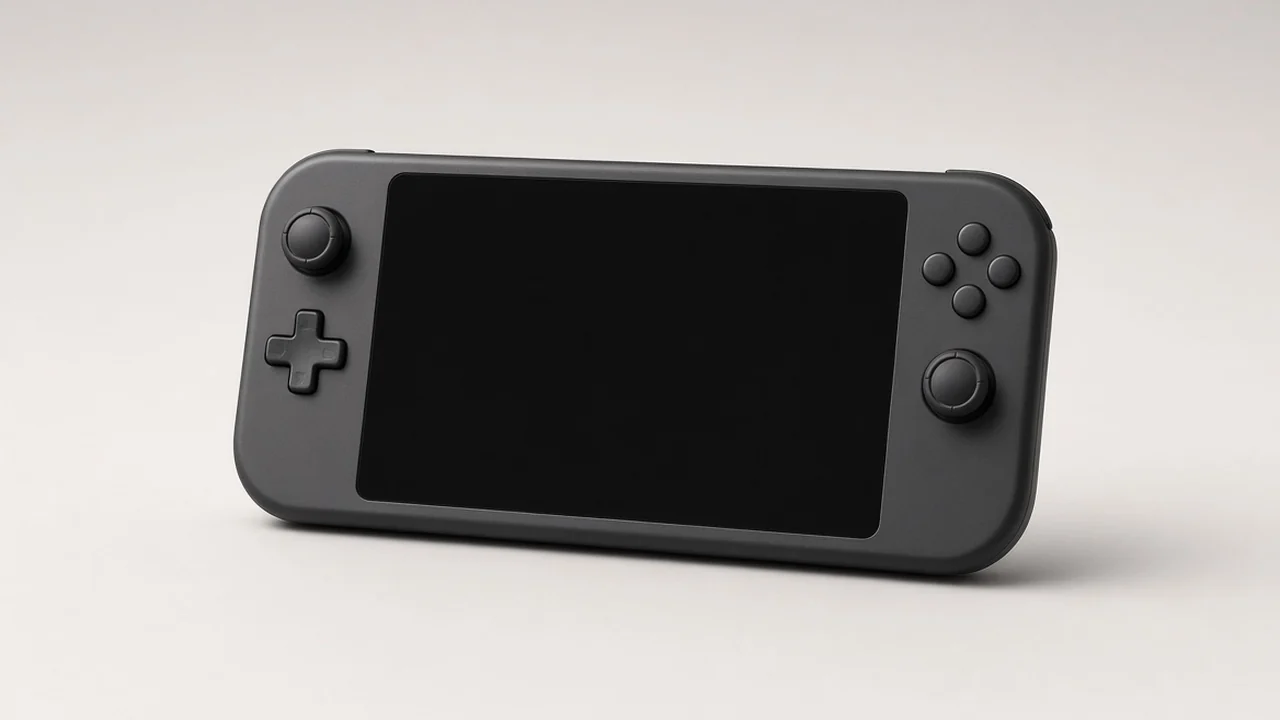
Specs come from the officialASUS ROG Ally (2023) and Steam Deck OLED pages. Manufacturer claims only — not a lab test.
Quick Answer
This is an OEM desk comparison of ASUS ROG Ally (2023) and Steam Deck OLED, not a winner page. ASUS ROG Ally (2023) official SoC: AMD Ryzen Z1 Extreme; Zen 4, 4nm, 8 cores / 16 threads, 24M…. Steam Deck OLED official SoC: 6nm AMD APU; Zen 2 4 cores / 8 threads, 2.4–3.5GHz (up to 4…. Quoted prices stay on each hub. Unpublished cells stay Not published.
Official sheets, re-checked
2023 Ally prints Z1 Extreme / 9–30W / 16GB / 40Wh / 1080p 120Hz / 608g / Windows 11 Home. OLED Deck prints 4–15W / 16GB / 50Wh / 1280×800 HDR OLED / ~640g / SteamOS 3. Ally’s XG Mobile combo port is not a Deck row. Deck’s dual haptic trackpads are not an Ally row.
Re-checked 2026-09-19: Ally 2023 spec + Valve OLED tech specs. No OEM winner.
Quote the two official sheets. Do not invent a lab winner.
The verdict
ASUS ROG Ally (2023) or Steam Deck OLED — quote the two manufacturer sheets.
Why: Both columns are manufacturer desk research. A winner would be an editorial invention.
Buy ASUS ROG Ally (2023) if
Windows / Xbox Game Pass / Epic / Battle.net buyers who do not want SteamOS as the shipped OS.
Buy Steam Deck OLED if
Buyers who want SteamOS, Steam Input, and dual haptic trackpads rather than a Windows handheld.
Headline OEM cells
| Attribute | ASUS ROG Ally (2023) | Steam Deck OLED |
|---|---|---|
| SoC / APU | AMD Ryzen Z1 Extreme; Zen 4, 4nm, 8 cores / 16 threads, 24MB cache, up to 5.10GHz boost | 6nm AMD APU; Zen 2 4 cores / 8 threads, 2.4–3.5GHz (up to 448 GFlops FP32) |
| GPU | AMD Radeon Graphics, RDNA 3, 12 CUs, up to 2.7GHz, up to 8.6 TFLOPS | 8 RDNA 2 CUs, 1.6GHz (1.6 TFlops FP32) |
| RAM | 16GB LPDDR5 on board (6400 MT/s, dual channel) | 16GB LPDDR5 on-board (6400 MT/s, quad 32-bit channels) |
| Storage | 512GB PCIe 4.0 NVMe M.2 SSD (2230) | 512GB or 1TB NVMe SSD |
| Display size | 7-inch | 7.4-inch diagonal |
| Display resolution | 1920 × 1080 (16:9 FHD) | 1280 × 800 RGB |
| Battery capacity | 40Wh, 4S1P, 4-cell Li-ion | 50Wh |
| Battery life (OEM) | Hours-of-gameplay not published on the ROG spec sheet (accessed 2026-09-19) | 3–12 hours of gameplay (content dependent) |
| Operating system | Windows 11 Home | SteamOS 3 (Arch-based); KDE Plasma desktop |
| Weight | 608 g (1.34 lb) | Approximately 640 grams |
| US MSRP (launch) | $699.99 US for Z1 Extreme 512GB (ASUS USA, 13 June 2023). Z1 model was announced at $599.99 for later in 2023. | 512GB $549; 1TB $649 (US, November 2023 launch pair) |
Full handhelds-v1 table
Same keys as the named-model pages. A matching string is not a lab confirmation. “Not published” on one side is not filled from the other hub.
| Attribute | ASUS ROG Ally (2023) | Steam Deck OLED |
|---|---|---|
| SoC / APU | AMD Ryzen Z1 Extreme; Zen 4, 4nm, 8 cores / 16 threads, 24MB cache, up to 5.10GHz boost | 6nm AMD APU; Zen 2 4 cores / 8 threads, 2.4–3.5GHz (up to 448 GFlops FP32) |
| GPU | AMD Radeon Graphics, RDNA 3, 12 CUs, up to 2.7GHz, up to 8.6 TFLOPS | 8 RDNA 2 CUs, 1.6GHz (1.6 TFlops FP32) |
| TDP / APU power (OEM) | 9–30W | 4–15W APU power |
| RAM | 16GB LPDDR5 on board (6400 MT/s, dual channel) | 16GB LPDDR5 on-board (6400 MT/s, quad 32-bit channels) |
| Storage | 512GB PCIe 4.0 NVMe M.2 SSD (2230) | 512GB or 1TB NVMe SSD |
| Expandable storage | UHS-II microSD (SD / SDHC / SDXC) | High-speed microSD (UHS-I; SD / SDHC / SDXC) |
| Display size | 7-inch | 7.4-inch diagonal |
| Display type | IPS-level, anti-glare / low-reflection (AGLR); Gorilla Glass Victus and Gorilla Glass DXC; 10-point touch | HDR OLED touchscreen |
| Display resolution | 1920 × 1080 (16:9 FHD) | 1280 × 800 RGB |
| Refresh rate | 120Hz; 7ms response; AMD FreeSync Premium (VRR) | Up to 90Hz |
| Peak brightness (OEM) | 500 nits | 1,000 nits peak (HDR); 600 nits (SDR) |
| HDR / color (OEM) | 100% sRGB; 75.35% Adobe RGB listed. HDR mode is not named as HDR10 on this spec block. | HDR OLED; >1,000,000:1 contrast; 110% P3; <0.1ms response |
| Controls | ABXY; D-pad; two full-size analog sticks; Hall-effect analog triggers; bumpers; View; Menu; Command Center and Armoury Crate buttons | ABXY; D-pad; L/R analog triggers; L/R bumpers; View & Menu; two full-size capacitive analog sticks |
| Trackpads | None | Two 32.5mm square haptic trackpads; pressure-sensitive click |
| Gyro / motion | 6-axis IMU | 6-axis IMU |
| Haptics | HD haptics | HD haptics (plus haptic trackpads) |
| Rear / grip buttons | Two assignable grip buttons | Four assignable grip buttons (L4/L5/R4/R5) |
| Battery capacity | 40Wh, 4S1P, 4-cell Li-ion | 50Wh |
| Battery life (OEM) | Hours-of-gameplay not published on the ROG spec sheet (accessed 2026-09-19) | 3–12 hours of gameplay (content dependent) |
| Charging (OEM) | USB-C 65W adapter (20V / 3.25A). Inclusion varies by region. | USB-C PD 3.0, 45W supply, 2.5m cable. OLED page: 20% to 80% in as little as 45 minutes |
| Operating system | Windows 11 Home | SteamOS 3 (Arch-based); KDE Plasma desktop |
| Store / ecosystem | Windows 11 storefronts (Steam, Xbox, Epic, and others the user installs). Not SteamOS. | Steam (Deck Verified program). Desktop mode can add other stores; that is not a Valve handheld warranty story. |
| Weight | 608 g (1.34 lb) | Approximately 640 grams |
| Dimensions | 280 × 111 × 21.2–32.4 mm (11.02 × 4.37 × 0.83–1.28 in) | 298 × 117 × 49 mm |
| Chassis / form | Integrated handheld with fixed grips (not detachable controllers) | Integrated handheld with fixed grips (not detachable controllers) |
| Finishes | White / RC71L retail finish as sold at launch. Confirm the live SKU for later colorways. | Standard dark chassis; 1TB adds premium anti-glare etched glass. Limited translucent/red LE SKUs have existed — confirm the live store SKU. |
| Cooling | Internal cooling; no named “Coldfront” row on this spec sheet (accessed 2026-09-19) | Internal fan; OLED page: bigger fan and updated thermals vs LCD |
| Ports | 3.5mm combo jack; ROG XG Mobile + USB-C combo (USB 3.2 Gen2, DisplayPort 1.4); UHS-II microSD | USB-C (charge + DisplayPort / USB 3 Gen 2); 3.5mm headphone/mic; microSD; volume; power |
| Wireless (Wi-Fi / Bluetooth) | Wi-Fi 6E (802.11ax) tri-band 2×2 + Bluetooth 5.4 (BT version may change with OS) | Tri-band Wi-Fi 6E 2×2 (2.4 / 5 / 6GHz, 802.11a/b/g/n/ac/ax); Bluetooth 5.3 with dedicated antenna |
| Speakers / audio | 2-speaker Smart Amplifier; array mic; AI noise canceling; Dolby Atmos; Hi-Res headphone certification | Stereo speakers with embedded DSP; dual microphone array; 3.5mm jack; multichannel via DP-over-USB-C, USB-C, or Bluetooth 5.3 |
| Dock / TV output | DisplayPort 1.4 over the USB-C / XG Mobile combo port. XG Mobile eGPU is a separate accessory. | DisplayPort over USB-C; up to 8K@60Hz or 4K@120Hz, USB 3 Gen 2. Official Steam Deck Dock is a separate accessory. |
| US MSRP (launch) | $699.99 US for Z1 Extreme 512GB (ASUS USA, 13 June 2023). Z1 model was announced at $599.99 for later in 2023. | 512GB $549; 1TB $649 (US, November 2023 launch pair) |
| Price band | Flagship Windows handheld (~$700 US launch) | Mid handheld PC ($500–$700 US launch) |
| Announced | 11 May 2023 (unveiled); US sale 13 June 2023 | 9 November 2023 (OLED page / launch week) |
| Availability | Original RC71L generation. Ally X (2024) is the refreshed sibling hub. | Shipping as Valve’s current Steam Deck hardware (512GB and 1TB). LCD 256GB remains a leftover SKU on Valve’s compare module. |
What the ASUS ROG Ally (2023) hub emphasizes
- Z1 Extreme + 12 RDNA 3 CUs and a published 9–30W TDP — a different power envelope than Deck’s 4–15W.
- 7-inch FHD 120Hz, 500 nits, 100% sRGB, FreeSync Premium, Gorilla Glass Victus / DXC on the spec sheet.
- ROG XG Mobile interface combined with USB-C (USB 3.2 Gen2, DisplayPort 1.4).
- Windows 11 Home, Armoury Crate, fingerprint + Microsoft Pluton, UHS-II microSD.
What the Steam Deck OLED hub emphasizes
- Only current Steam Deck with HDR OLED, 1,000-nit HDR peak / 600-nit SDR, 110% P3, and up to 90Hz on Valve’s spec sheet.
- SteamOS 3 (Arch-based) plus KDE Plasma desktop — Valve’s console-like Steam UI, not Windows 11.
- Dual 32.5mm haptic trackpads with pressure-sensitive click. Ally and Switch do not ship this.
- 50Wh pack and Valve’s 3–12 hour gameplay claim; OLED page also says 30–50% more battery life than LCD Deck.
ASUS ROG Ally (2023) caveats
- This hub locks the **Z1 Extreme 512GB** RC71L sheet. A Ryzen Z1 (6-core / 4 CU) SKU is on the same ASUS spec family — do not mix CU counts.
- ASUS does not publish a 3–12 hour gameplay range on this spec sheet. Do not invent Deck-style hours.
- Launch $699.99 is dated (13 June 2023 ASUS USA). Street prices go stale.
Steam Deck OLED caveats
- Every brightness, battery-hour, and “up to 3× faster downloads” line is a Valve claim. GadgetShowdown has not lab-tested OLED Deck.
- Valve’s current US storefront price can differ from the November 2023 $549 / $649 launch pair. Re-check store.steampowered.com on write day.
- 64GB and 512GB LCD leftovers are a different hub. Do not paste OLED nits or Wi-Fi 6E onto LCD.
Where the official strings differ
- SoC / APU. ASUS ROG Ally (2023): AMD Ryzen Z1 Extreme; Zen 4, 4nm, 8 cores / 16 threads, 24MB cache, up to 5.10GHz boost — Steam Deck OLED: 6nm AMD APU; Zen 2 4 cores / 8 threads, 2.4–3.5GHz (up to 448 GFlops FP32)
- GPU. ASUS ROG Ally (2023): AMD Radeon Graphics, RDNA 3, 12 CUs, up to 2.7GHz, up to 8.6 TFLOPS — Steam Deck OLED: 8 RDNA 2 CUs, 1.6GHz (1.6 TFlops FP32)
- TDP / APU power (OEM). ASUS ROG Ally (2023): 9–30W — Steam Deck OLED: 4–15W APU power
- RAM. ASUS ROG Ally (2023): 16GB LPDDR5 on board (6400 MT/s, dual channel) — Steam Deck OLED: 16GB LPDDR5 on-board (6400 MT/s, quad 32-bit channels)
- Storage. ASUS ROG Ally (2023): 512GB PCIe 4.0 NVMe M.2 SSD (2230) — Steam Deck OLED: 512GB or 1TB NVMe SSD
- Expandable storage. ASUS ROG Ally (2023): UHS-II microSD (SD / SDHC / SDXC) — Steam Deck OLED: High-speed microSD (UHS-I; SD / SDHC / SDXC)
- Display size. ASUS ROG Ally (2023): 7-inch — Steam Deck OLED: 7.4-inch diagonal
- Display type. ASUS ROG Ally (2023): IPS-level, anti-glare / low-reflection (AGLR); Gorilla Glass Victus and Gorilla Glass DXC; 10-point touch — Steam Deck OLED: HDR OLED touchscreen
- Display resolution. ASUS ROG Ally (2023): 1920 × 1080 (16:9 FHD) — Steam Deck OLED: 1280 × 800 RGB
- Refresh rate. ASUS ROG Ally (2023): 120Hz; 7ms response; AMD FreeSync Premium (VRR) — Steam Deck OLED: Up to 90Hz
- Peak brightness (OEM). ASUS ROG Ally (2023): 500 nits — Steam Deck OLED: 1,000 nits peak (HDR); 600 nits (SDR)
- HDR / color (OEM). ASUS ROG Ally (2023): 100% sRGB; 75.35% Adobe RGB listed. HDR mode is not named as HDR10 on this spec block. — Steam Deck OLED: HDR OLED; >1,000,000:1 contrast; 110% P3; <0.1ms response
Matching official prints
These rows quote the same manufacturer string on both hubs.
- Gyro / motion: 6-axis IMU
- Chassis / form: Integrated handheld with fixed grips (not detachable controllers)
SKU extras beyond handhelds-v1
Extra rows stay on the hub that printed them. A blank on one side is not filled from the other sheet.
| Attribute | ASUS ROG Ally (2023) | Steam Deck OLED |
|---|---|---|
| ROG XG Mobile | Combo USB-C / XG Mobile interface. External GPU docks are separate SKUs (launch note listed RTX 4090 Laptop and RX 6850M XT XG Mobile units). | Not on this hub’s extras table |
| Armoury Crate | Dedicated Armoury Crate and Command Center buttons on the spec sheet | Not on this hub’s extras table |
| Fingerprint / Pluton | Built-in fingerprint sensor; Microsoft Pluton security processor | Not on this hub’s extras table |
| Aura Sync | Yes | Not on this hub’s extras table |
| SSD form factor | M.2 2230 (not the 2280 slot Ally X uses) | Not on this hub’s extras table |
| Ryzen Z1 (non-Extreme) SKU | Same spec family lists Zen 4 6-core / 12-thread, 4 RDNA 3 CUs, up to 2.8 TFLOPS. Do not use those numbers on a Z1 Extreme sentence. | Not on this hub’s extras table |
| Anti-glare etched glass | Not on this hub’s extras table | Listed on the 1TB OLED SKU only |
| Touch polling | Not on this hub’s extras table | OLED page: 180Hz touch polling, improved latency and accuracy vs LCD |
| Ambient light sensors | Not on this hub’s extras table | Dual ambient light sensor (ALS) |
| Bluetooth controller wake | Not on this hub’s extras table | OLED page adds wake-from-Bluetooth-controller support |
| Bluetooth codecs | Not on this hub’s extras table | OLED page: aptX HD and aptX Low Latency among newer codecs on Bluetooth 5.3 |
| Wi-Fi 6E marketing claim | Not on this hub’s extras table | Valve: faster downloads (up to 3×) and more stable online play vs LCD Wi-Fi 5 |
| Fast charge chemistry | Not on this hub’s extras table | OLED page: updated chemistry; 20% to 80% in as little as 45 minutes |
| In the box (compare module) | Not on this hub’s extras table | 45W USB-C supply (2.5m); carrying case (1TB case has removable liner); Steam profile bundle. 1TB also lists exclusive startup movie and virtual keyboard theme. |
| Desktop mode | Not on this hub’s extras table | KDE Plasma on SteamOS 3 |
| Deck Verified | Not on this hub’s extras table | Valve’s game-compatibility badges on Steam. Not a performance guarantee. |
| Storage SKUs | Not on this hub’s extras table | 512GB OLED; 1TB OLED. No 64GB OLED SKU on the current spec sheet. |
Price, SKUs, and what not to invent
- ASUS ROG Ally (2023): $699.99 (US, Z1 Extreme 512GB, June 2023)
- Steam Deck OLED: $549 / $649 (US launch, 512GB / 1TB)
- Do not invent a street-price delta or a “better value” winner.
- Do not paste a published cell from one hub onto the other.
Sources
- ASUS — ROG Ally (2023) RC71L spec sheet (US) — accessed 2026-09-19
- ASUS — ROG Ally (2023) product page (US) — accessed 2026-09-19
- ASUS USA — ROG Ally launch note (2023-06-13) — accessed 2026-09-19
- ASUS Pressroom — ROG Ally unveiled (2023-05-11) — accessed 2026-09-19
- Valve — Steam Deck OLED tech specs — accessed 2026-09-19
- Valve — Introducing Steam Deck OLED — accessed 2026-09-19
- Valve — Steam Deck LCD tech specs (sibling SKU) — accessed 2026-09-19
- Valve — Steam Deck storefront — accessed 2026-09-19
Hubs: ASUS ROG Ally (2023) · Steam Deck OLED.